

1st Oct 2026
The Future of Coding: How AI is Reshaping Modern Software Development
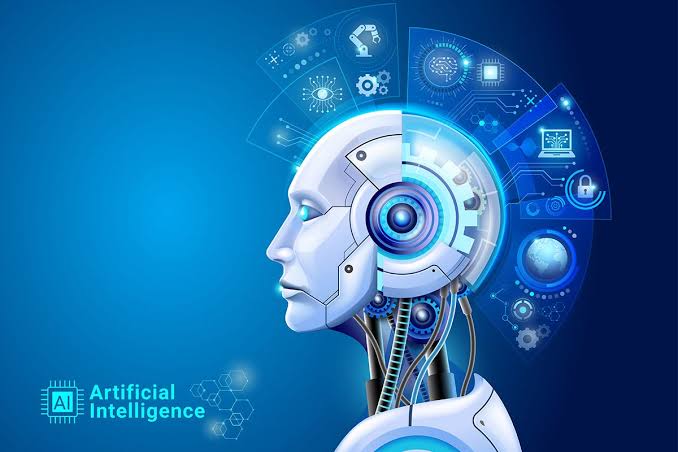
Software engineering is undergoing its biggest paradigm shift since the rise of cloud computing. Artificial Intelligence is no longer just a feature you build into an app—it has become an integral part of how software itself is designed, written, and maintained.
Whether you are building complex backend architectures or managing full-stack web applications, integrating AI into your development workflow can drastically reduce boilerplate work and accelerate delivery.
1. Automated Code Generation & Smart Autocomplete
Gone are the days when developer tools only offered basic syntax highlighting and method completion. Modern AI-assisted coding environments act as context-aware pair programmers.
Key Benefits:
-
Boilerplate Reduction: Automatically generate repository patterns, database migrations, and API endpoint structures.
-
Faster Prototyping: Turn natural language prompts directly into initial function drafts.
-
Contextual Awareness: Smart assistants analyze your existing repository structure to maintain consistent coding standards.
Pro Tip: Treat AI code completion as an eager junior developer—always review, unit test, and refactor generated code before pushing to production.
2. Elevating Code Quality with AI Refactoring
Writing code is only half the battle; keeping codebases scalable and maintainable is where the real effort lies. AI-driven static analysis tools can evaluate your repository for security vulnerabilities, memory leaks, and anti-patterns in real time.
[ Code Base ] ---> ( AI Static Analysis ) ---> [ Optimization Suggestions ]
                                          ---> [ Automated Security Patches ]
What AI Refactoring Tools Do Best:
-
Identifying redundant database queries (e.g., $N+1$ query issues in ORMs).
-
Recommending modern language syntax updates.
-
Automating documentation generation for complex APIs and legacy systems.
3. Intelligent Testing and Bug Detection
Writing comprehensive unit and integration tests often gets pushed down the priority list during fast-paced sprint cycles. AI helps bridge this gap by analyzing business logic and automatically constructing relevant test suites.
| Testing Phase | Traditional Approach | AI-Assisted Approach |
| Unit Testing | Manual test case creation per function | Auto-generated edge-case and boundary tests |
| Bug Triaging | Manual log parsing and stack trace analysis | Predictive root-cause identification |
| Performance | Manual benchmark runs | Continuous automated load simulation |
Final Thoughts: The Developer's Evolving Role
AI isn't replacing developers; it is elevating them. By offloading repetitive syntax writing and routine debugging to AI assistants, software engineers can focus on higher-level architecture, system reliability, and product strategy.
Adapting to these tools today ensures you stay competitive, efficient, and focused on solving high-value problems.
Quick Question: Do you want to narrow this down to a specific stack (like Laravel/PHP, Node.js, or Python/FastAPI), or expand on a specific section like database optimization or multi-tenant SaaS architecture?
Leave A Reply
Your email address will not be published. Required fields are marked